Syphilis
Background
Syphilis is a persistent, highly infectious sexually transmitted infection (STI) that can cause serious health problems without treatment. It is caused by the spiral-shaped bacterium (spirochete) Treponema pallidum, which can live almost anywhere in human body and spreads rapidly.
Syphilis develops in stages (primary, secondary, latent, and tertiary). Each stage has different signs and symptoms, and can last for several years. Without treatment, serious health complications are common and can be fatal in late-stage, or tertiary syphilis.
Epidemiology
In 2025, a total of 9,935 confirmed syphilis cases were reported in Taiwan, with a male-to-female ratio of approximately 3:1. Among these cases, the majority occurred in individuals aged 25–34 years (28%), followed by those aged 35–44 years (22%). Individuals aged 13–24 years accounted for 19% of cases. Notably, the number of cases among young individuals aged 13–24 has shown a steady year-on-year increase since 2021, with a particularly significant rise among young females. Continued efforts are therefore needed to strengthen awareness and prevention of congenital syphilis.

Prevention and Control
- Safe sex:Most cases of syphilis can be prevented with consistent and correct condom use in every sexual encounter, paired with water-based lubricants.
- Reduce risky behaviors: Avoid risky behaviors such as having multiple sexual partners or engaging in sexual activities with strangers.
- Avoid substance abuse:Avoid the use of addictive drugs. Substance use can impair your judgment or cause a loss of consciousness, leading to unsafe sexual behaviors and significantly increasing the risk of STI.
- Partner services management:Early diagnosis and treatment are crucial. Healthcare providers strongly encourage STI partner services(contact tracing and treatment) to ensure that sexual partners are also tested and treated. This breaks the chain of transmission and prevents re-infections between partners.
- STI screening:Routine screening for target population helps identify asymptomatic cases early.
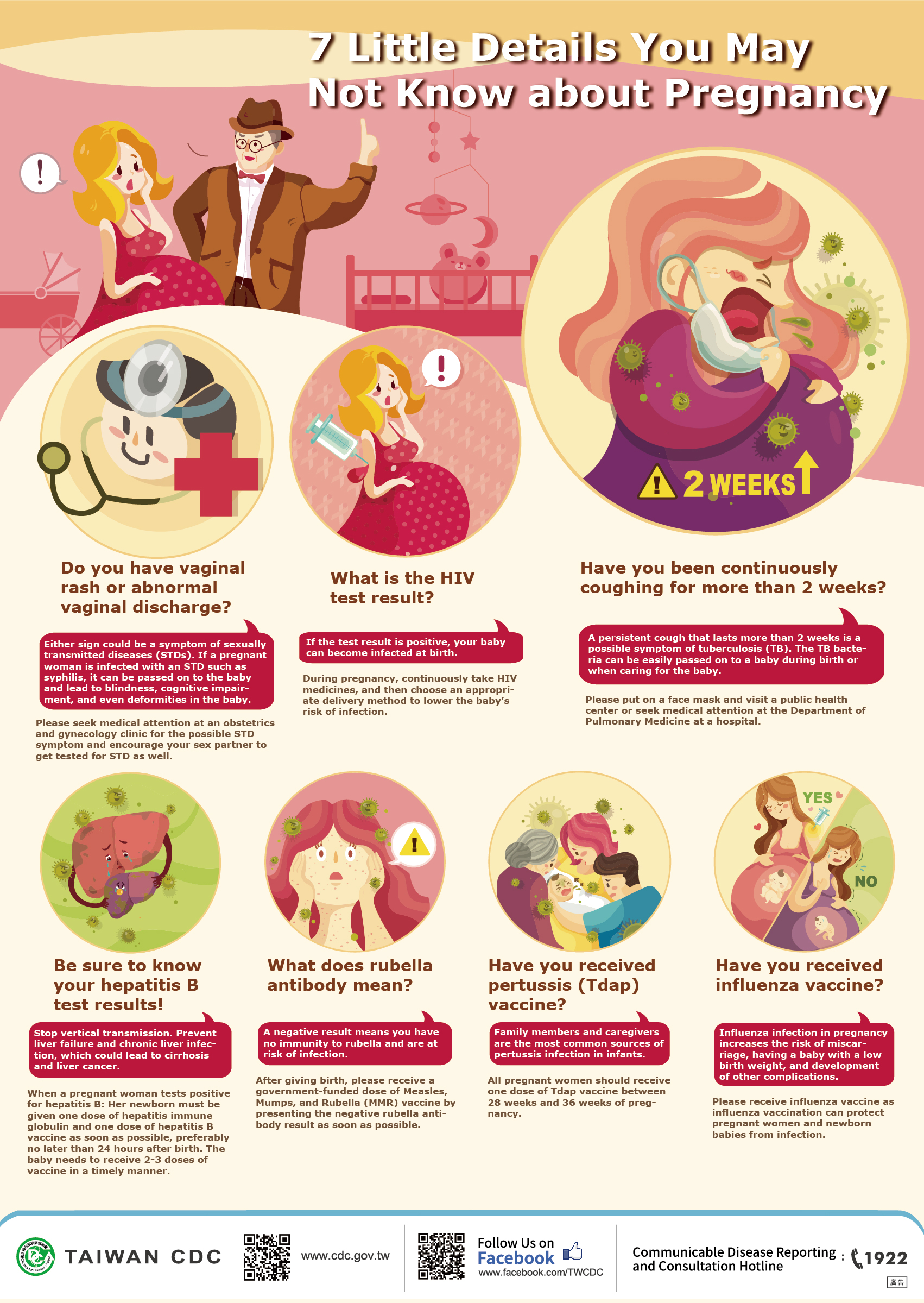
- Regular prenatal care for pregnant women:Pregnant women should undergo syphilis screening as part of prenatal care at approximately 12 weeks and 32 weeks of gestation. If syphilis infection is detected, prompt treatment should be initiated to prevent mother-to-child (vertical) transmission.
FAQs
1. How is syphilis transmitted?
Syphilis is highly infectious during the primary, secondary, and early latent stages, and can be transmitted through vaginal, oral, and anal sexual contact. The bacterium is usually transmitted by direct contact between mucous membranes of the genitals, mouth, or anus; or by broken skin coming into contact with open syphilitic sores. An infected mother can pass syphilis through the placenta to her developing fetus. Reinfection after cure is possible.
2.What happens if syphilis is left untreated?
In the early stage (primary and secondary syphilis), individuals are highly infectious and may present with painless sores (chancres), skin rashes, fever, or swollen lymph nodes; although these symptoms may resolve spontaneously, the infection persists in the body. During the latent stage, there are no visible symptoms, but the bacteria remain active internally and can persist for years, with potential for ongoing transmission, particularly in early latency. If untreated, syphilis may progress to the late (tertiary) stage, which can occur years or even decades after initial infection and may result in severe complications, including cardiovascular damage (such as aortic aneurysm), neurosyphilis affecting the central nervous system (leading to stroke, dementia, paralysis, or sensory loss), and gummatous lesions causing destructive damage to skin, bones, and internal organs; these complications are often irreversible and may be fatal. In addition, untreated syphilis during pregnancy can lead to vertical transmission, resulting in miscarriage, stillbirth, premature birth, or severe illness in the newborn.
3.Should I get tested even if I do not have symptoms?
Yes. Many individuals infected with syphilis experience no symptoms, particularly during the latent stage. You can still transmit the infection to your sexual partner(s) without being aware of it. Routine asymptomatic screening is strongly recommended for at-risk populations, sexually active youths, and pregnant women to prevent adverse health outcomes. Early detection and treatment help prevent complications and stop transmission.
4.What is the treatment for syphilis?
syphilis is curable with the penicillin from your healthcare provider. However, treatment might not undo any damage the infection can cause.
5.What are partner services and why are they important?
To prevent continuous "ping-pong" re-infections between partners, Partner Services are an essential component of comprehensive syphilis treatment. Patients are strongly encouraged to notify any sexual partners they had contact with during the 60 days prior to symptom onset or diagnosis. Both the patient and their partner(s) must strictly avoid any sexual contact until the full course of treatment is completed to prevent further transmission.
6.Can syphilis be cured?
Yes. Syphilis can be effectively cured with appropriate antibiotic treatment, particularly when diagnosed in the early stage (primary, secondary, and early latent syphilis). A single intramuscular injection of benzathine penicillin G is the standard treatment and is highly effective in eliminating the infection. In the late stage (late latent and tertiary syphilis), penicillin remains the treatment of choice and can stop disease progression; however, it cannot reverse damage that has already occurred. For neurosyphilis, intravenous penicillin is required to adequately treat central nervous system involvement. Following treatment, regular serologic follow-up (e.g., VDRL or RPR) is necessary to monitor treatment response. It is important to note that although syphilis can be cured, prior infection does not confer immunity, and reinfection can occur if exposed again.
More Information
Images